When the World Looks Away: The Hidden Story of Neglected Diseases
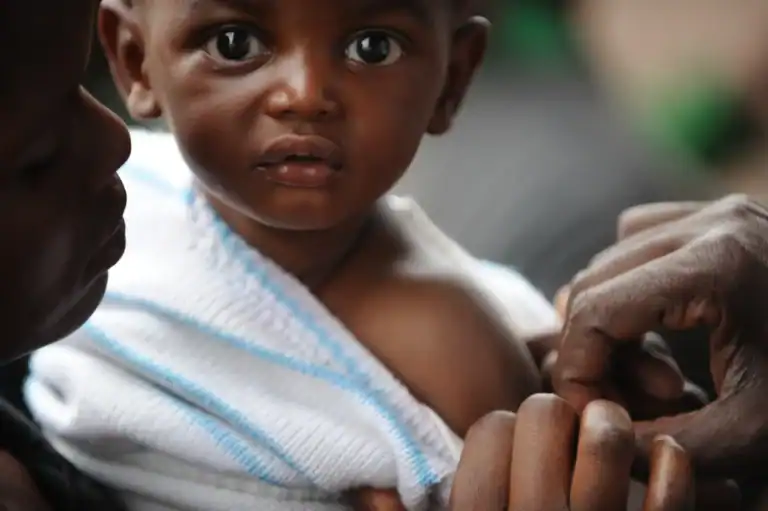
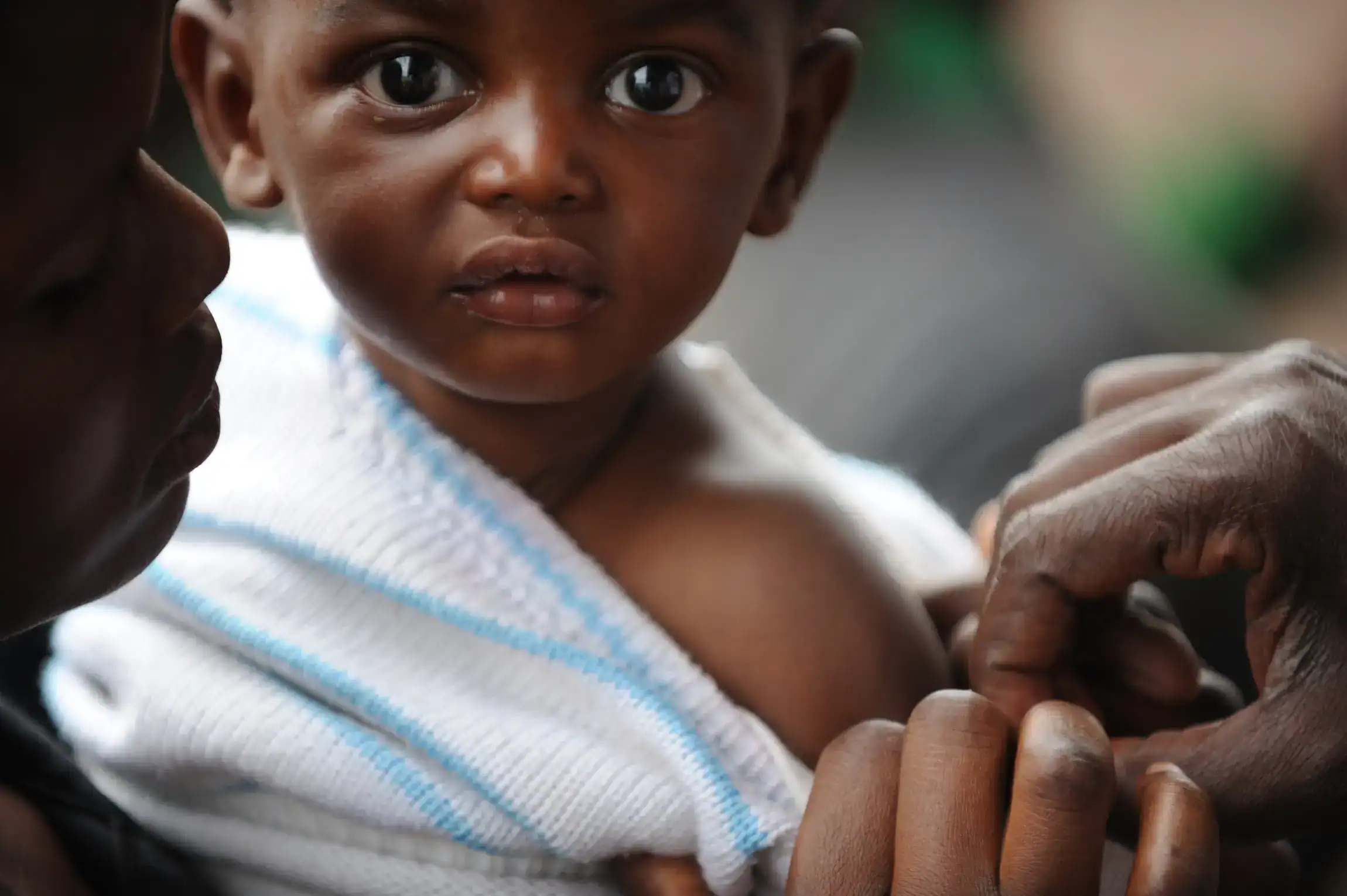
Image by Julien Harneis., CC BY-SA 2.0 https://creativecommons.org/licenses/by-sa/2.0, via Wikimedia Commons
Imagine a newborn baby in Bolivia, healthy and full of promise. His family is overjoyed, but hidden inside him is a silent threat: a disease passed on from his mother, one that could quietly damage his heart and digestive system if left untreated. Right now, he shows no signs, but without screening or early care for Chagas disease, he could face a lifetime of chronic illness.
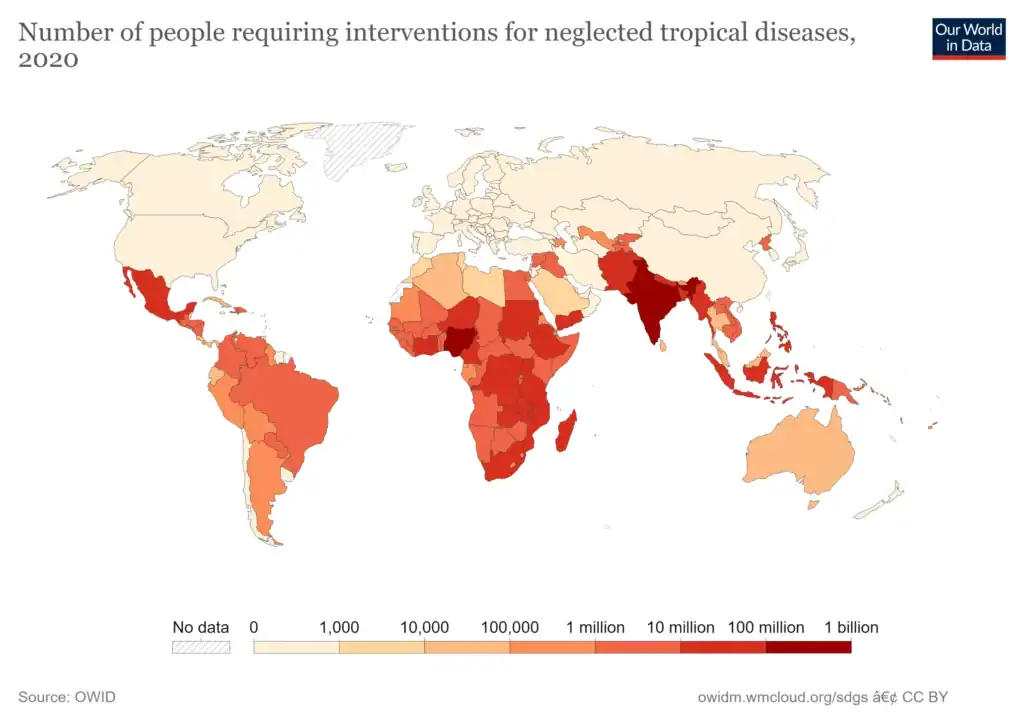
This isn’t a rare scenario. Millions of children and adults around the world face similar hidden dangers from neglected diseases like Chagas, sleeping sickness, and leishmaniasis. These illnesses affect over a billion people, yet they rarely make headlines.
MDWiki(from Our World In Data), CC BY 4.0 https://creativecommons.org/licenses/by/4.0, via Wikimedia Commons
The problem isn’t that they are uncommon. It’s that they are ignored.
In this blog we will tacke the most pressing question concerning Neglected Tropical Diseases. Read on to find out more.
What Makes a Disease Neglected?
The term ‘Neglected Tropical Diseases’ refers to a list of 21 diseases.
These mainly affect people in poverty in tropical or subtropical regions of the globe. They can be caused by parasites, bacteria, viruses, fungi, or toxins.
They are termed neglected not because they are rare or of little importance but because they attract little funding, don’t make big splashy headlines in the world’s media, and research into them is relatively scarce.

While research is scarce, the diseases are not. In fact, it is estimated that Neglected Tropical Diseases affect more than 1.6 billion people worldwide, that’s up to 1 in 5 of our global neighbours suffering from a disease that the world is ignoring.
Which diseases are we talking about?
The 21 diseases recognised as Neglected Tropical Diseases (NTDs) are incredibly varied, not only in how they affect daily life, but also in the challenges they pose to society. Here is the full list of the current 21 NTDs:
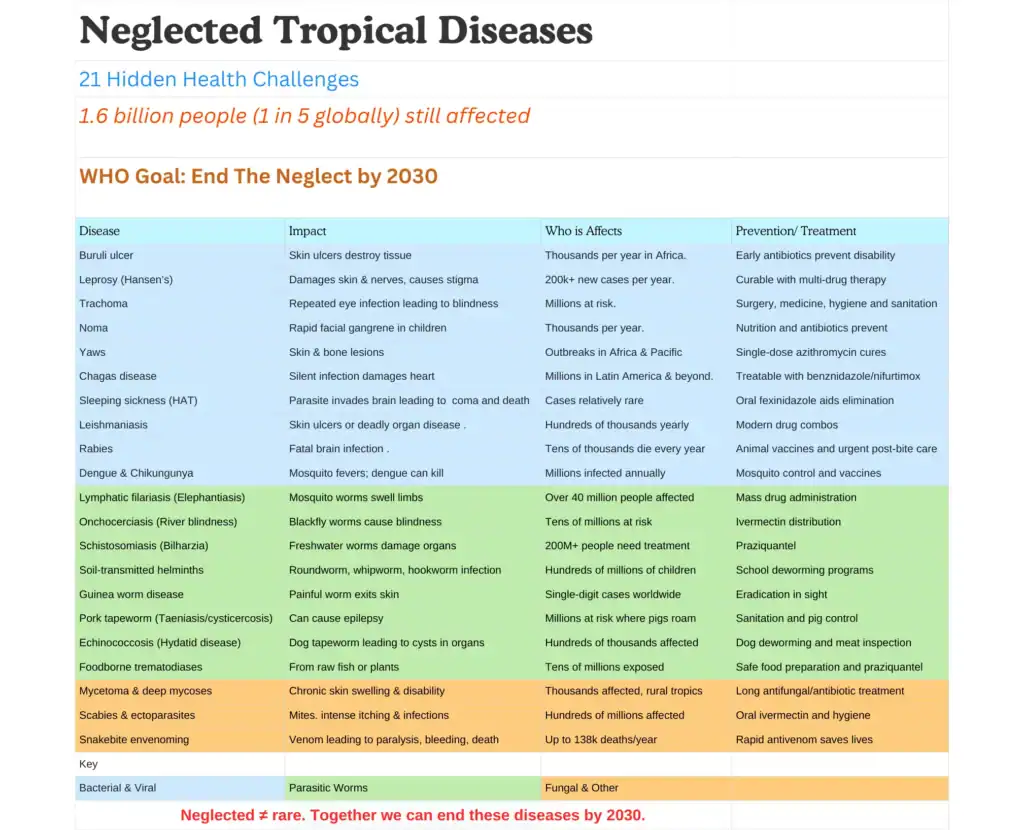
Data and prevalence estimates from: World Health Organization (WHO) NTD Fact Sheets & Roadmap 2021–2030; Centers for Disease Control and Prevention (CDC); Global Burden of Disease Study (IHME).
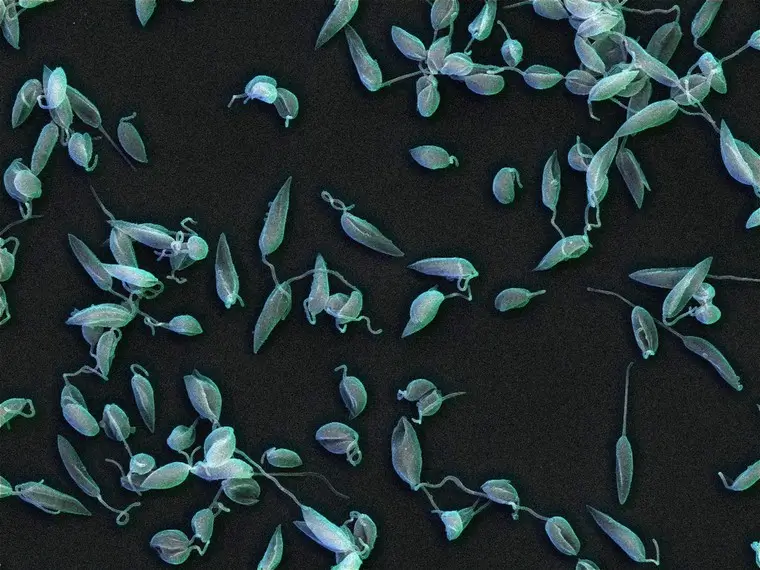
One NTD we’ve previously written about on the blog is African Sleeping Sickness. To explore a fantastic breakthrough in the treatment of African Sleeping Sickness caused by the parasite Trypanosoma brucei rhodesiense, check out the blog here.
Other NTDs of note are:
· Trachoma – Repeated eye infections that can eventually cause blindness, putting millions of children and adults at risk of losing their sight.
· Schistosomiasis (snail fever) – Freshwater worms damage organs, leaving people fatigued, stunted, and often unable to work or go to school.
· Leishmaniasis – Skin ulcers or life-threatening internal infections that can disfigure or severely weaken affected individuals.
· Chagas disease – Silent parasite infection that slowly damages the heart, threatening long-term health and livelihoods.
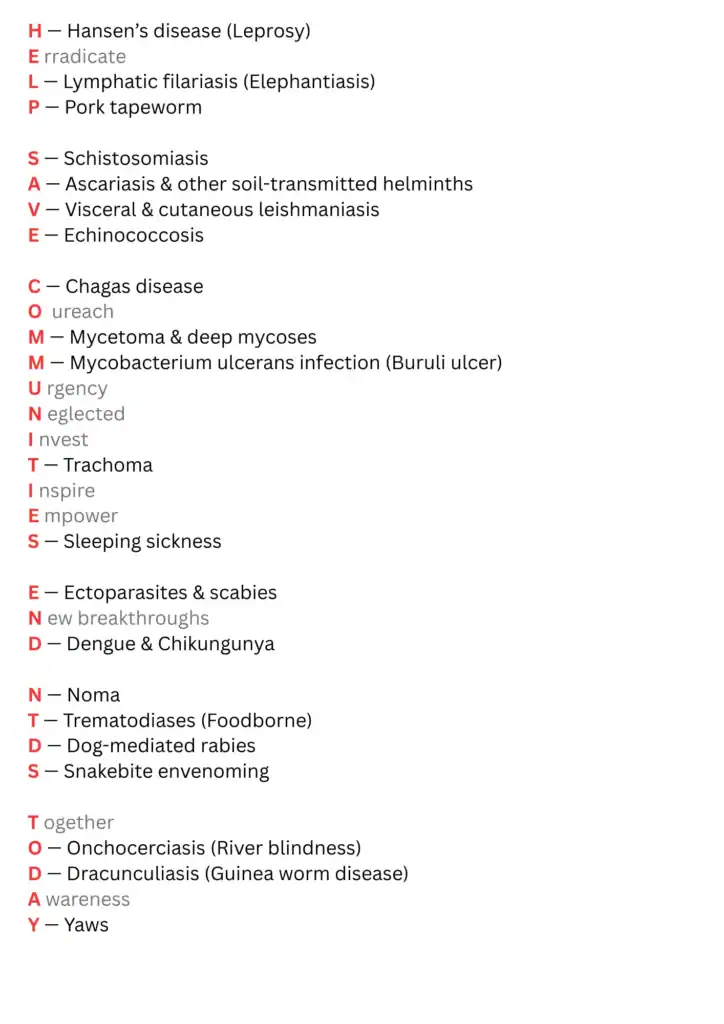
As you can see, these diseases certainly don’t deserve to be ignored….which brings us to our next question…
Why do they stay neglected if so many people are affected?
Many public health drives focus on diseases that affect high-income countries. Historically, very little research and drug development has been directed toward illnesses that primarily affect rural, low-income communities.
One big reason is economics: pharmaceutical companies have little incentive to invest in new treatments for NTDs. Patients living with these diseases are often unable to pay for expensive medicines, and healthcare systems in their countries also lack the funding to cover the costs.
Other global health campaigns tend to focus on more “visible” diseases such as HIV, tuberculosis, or malaria. These illnesses affect countries across income levels, cause high mortality, and make headline news. They have strong public awareness campaigns and attract substantial funding, research, and political attention.
By contrast, NTDs mainly affect remote, low-income communities. They rarely appear in mainstream news and don’t shape political agendas in wealthy countries.
The result:
- Less funding for research, new treatments, or healthcare delivery
- Low levels of global awareness, with little public pressure for action
- Communities left “neglected” in global health priorities
On top of this, patients are further let down by weak healthcare systems and a lack of clean water and sanitation, conditions that allow these diseases to persist.
What progress has been made so far?
Despite the challenges in researching and treating NTDs, there is reason for hope. In recent years there have been huge successes in treating and preventing these diseases. Importantly, interventions don’t need to be expensive or complex to save lives. School-based deworming programmes or community health workers distributing medicines to villages are simple measures that have protected millions of people when delivered at scale.
Trachoma – the leading infectious cause of blindness worldwide- has seen dramatic progress thanks to the WHO-endorsed SAFE strategy (Surgery, Antibiotics, Facial cleanliness, Environmental improvement). Since 2002, the number of people needing surgical treatment for advanced trachoma (trichiasis) has dropped by 80% and as of April 2024, more than 18 countries have eliminated trachoma as a public health problem.
African Sleeping Sickness has also seen a huge drop in cases. The development of new oral drugs has given fresh hope to patients who desperately need them. You can read more in our earlier blog post here.
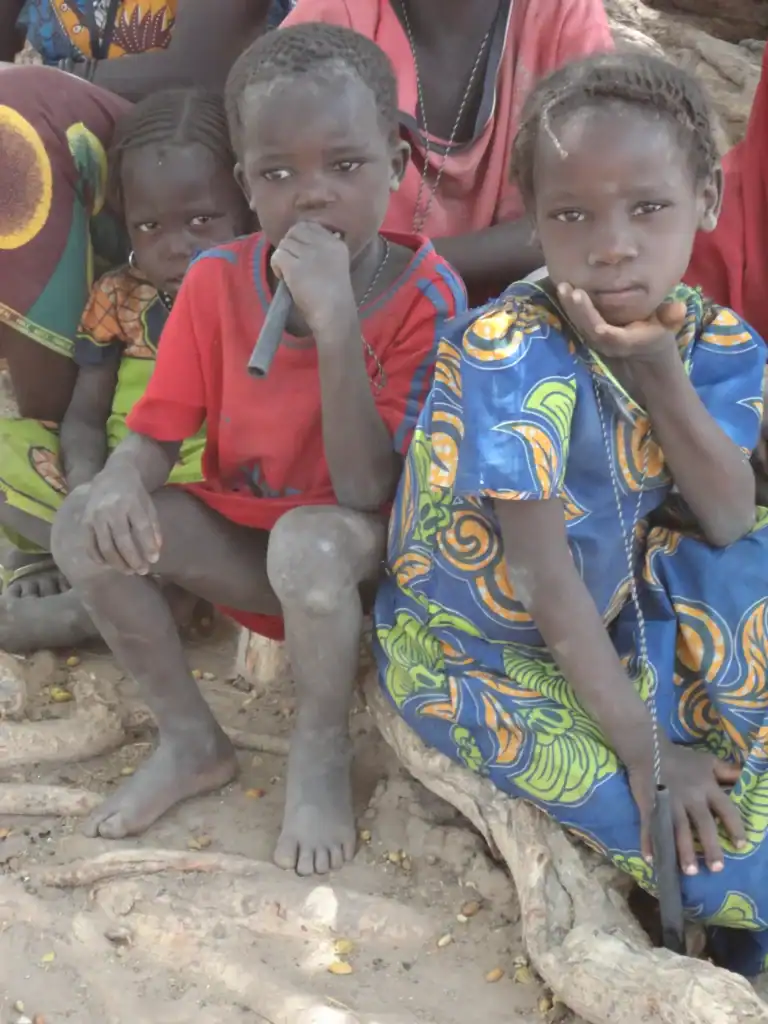
Guinea worm disease tells another remarkable story. In the 1980s, there were an estimated 3.5 million cases every year across more than 20 countries. Today, thanks to community-led interventions (safe water, simple filters, surveillance, and case containment), the disease is on the brink of being the first parasitic disease eradicated without a vaccine or drug. In 2023, just 13 human cases were reported worldwide.
CDC Global, CC BY 2.0 https://creativecommons.org/licenses/by/2.0, via Wikimedia Commons
Children in Chad hold pipe filters that are used to prevent the transmission of Guinea worm disease, through contaminated water sources.
These success stories show that, despite many global challenges, progress is possible. When political will, community action, and financial backing align, success is real and measurable.
The WHO 2030 Roadmap now sets ambitious targets:
- 90% reduction in the number of people needing NTD treatment
- At least 100 countries eliminating one NTD
- Ending the neglect by 2030
But we will only reach these goals if we work together. Collective action requires collaboration between governments, NGOs, pharmaceutical companies, and communities themselves.
These diseases may be neglected…but they are not unbeatable.
What’s happening right now (2025)?
Despite recent progress, we currently stand at a precipice — our hard-fought gains against NTDs are at risk of being lost.
The abrupt cancellation of U.S. NTD programmes has devastated delivery systems in several West African countries. In Sierra Leone alone, 30,000 community drug distributors (CDDs) lost their jobs. These frontline workers had been essential in reaching remote populations.
The scale of the setback is huge. Historically, every $1 of U.S. funding unlocked $26 in donated NTD medicines. Now, with the cuts, valuable drug stocks are piling up unused in warehouses, some close to expiry. It’s a scenario that could reverse years of progress.
And it isn’t only U.S. support that has been withdrawn. The UK’s flagship Ascend programme also ended, shrinking global backing for NTD control efforts even further. The World Health Organization warns that these combined shortfalls could lead to surging outbreaks, especially in regions already struggling with climate change and weak health systems.
The progress so far is real — but fragile. It depends on steady funding and strong local health systems. Community programmes, new tools, and cross-sector teamwork have proven effective. But without sustained political and financial support, they can quickly fall apart.
If Neglected Tropical Diseases are “tropical,” aren’t they someone else’s problem?
Setting aside the sheer historical and ethical injustice of that argument, the truth is that NTDs don’t stay local. Rising global temperatures and shifting rainfall patterns are expanding the range of mosquitoes, snails, and other carriers into new regions. Climate change is also driving floods and droughts, worsening sanitation and creating conditions where diseases can thrive.
Migration and instability add to this vulnerability. Conflict, displacement, and rapid urbanisation often push people into overcrowded areas with weak health services. Refugee and displaced populations are at particular risk, lacking clean water, sanitation, and access to basic care.
It’s also a vicious cycle: NTDs strike hardest among the poorest and most vulnerable, and in turn, these diseases make people even more fragile, limiting their ability to work, study, or recover from crisis.
That’s why NTDs are often called “diseases of poverty.” They affect the people least able to pay for healthcare or demand political attention. In this way, they act as a barometer of inequality: if we’re making progress on NTDs, it means we’re reaching the world’s most marginalised communities. Tackling them builds stronger, fairer health systems that ultimately protect us all.
What can ordinary readers do?
The old adage, ‘knowledge is power,’ has never been more accurate. When more people understand the impact of NTDs, it drives attention, funding, and action. There are simple ways anyone can make a difference:
- Spread the word: Share stories, articles, or posts on World NTD Day (Jan 30) or any time of year. Awareness helps keep these diseases on the global agenda.
- Support organisations: Groups like DNDi, Unlimit Health, and the END Fund deliver treatments, fund research, and empower affected communities. Even small donations help.
- Advocate: If you are fortunate enough to live in a country not directly affected by NTDs, you can call for sustained funding, write to policymakers, or support campaigns that pressure governments to invest in neglected diseases.
Every action counts. By raising awareness and supporting global initiatives, ordinary people can help ensure that neglected diseases are no longer ignored.
When the world looks away, neglected diseases thrive, silently affecting millions of people and reinforcing cycles of poverty and inequality. But history shows that when communities, scientists, policymakers, and global partners act together, these diseases can be controlled and even eradicated.
The progress so far demonstrates that neglected does not mean unbeatable. Every donation, every policy commitment, and every story shared raises awareness and builds momentum. Tackling NTDs is not just a medical challenge; it’s a moral and social one, a measure of how seriously the world takes equity and fairness. By keeping attention on these diseases, supporting effective programs, and empowering affected communities, we can continue turning the tide, proving that collective action truly works and that no community needs to be left behind.
Tonights Dinner Table Discussion

Here’s some ideas to spark a fascinating discussion.
- Do you think NTDs neglected because of lack of awareness, or because of deliberate political/economic choices?
- How do you balance the urgency of high-profile diseases (HIV, malaria, TB) with the need to address “neglected” ones?
- Which do you think has more long-term impact: developing new drugs, or strengthening health systems and sanitation?
- Do you think pharmaceutical companies should be expected to invest in NTD treatments even if they aren’t profitable? Why or why not?
Big Family Question:
If you were in charge of a global health budget, how would you decide which diseases to fund first?
Looking for more family-friendly discussion prompts? Explore our child-focused version of this blog here.
Curious but cautious?
Love diving into science, but not always sure what to believe? Grab our free guide:
“5 Ways to Spot Fake Science News”
It’s full of quick, practical tips to help you tell real breakthroughs from misleading headlines.
From new medicines to community-led breakthroughs, progress against neglected diseases is happening every day. Stay up to date with the latest stories and discoveries by signing up to our newsletter below.
Keep Exploring
Want to see the incredible progress made against African Sleeping Sickness? – check out –Neglected No More, Transforming African Sleeping Sickness Care,
Or want to check out how robots are bringing surgeons to rural stomach cancer patients? Robotic Surgery Brings Hope to Rural Cancer Patients
Let’s Talk About It
And now- over to you. Do you have any other questions about Neglected Tropical Diseases? Let us know in the comment box below!