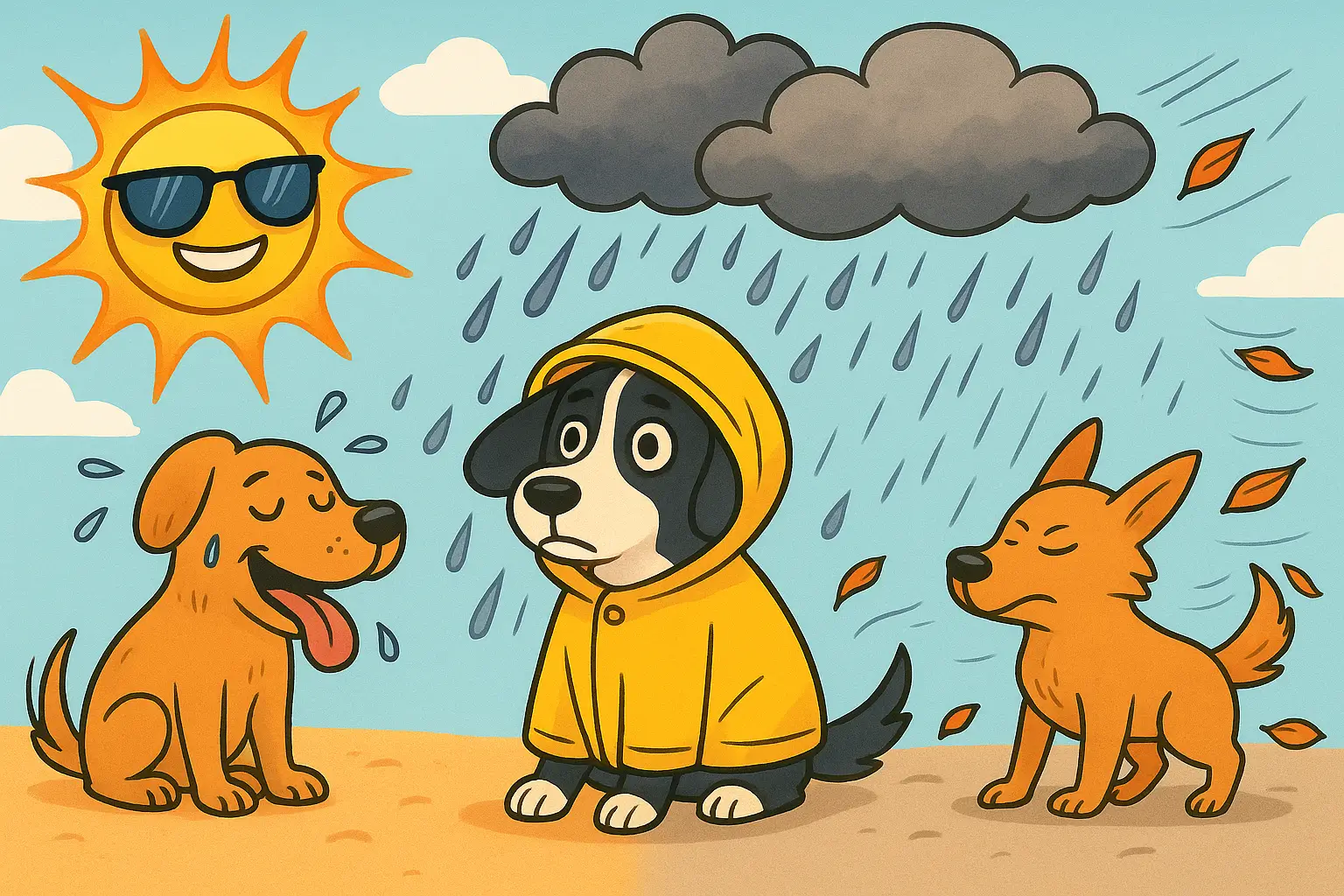
Dogs causing storms?? Fact of Furry Fiction?
Dog ownership’s role in extreme weather is vastly underestimated, new study finds
A recent headline from the news
Blaming storms on our cute furry friends…is that really fair? At Trailblazing Science HQ, we saw this headline pop up on a few different news sites, so we decided to put it through the Trailblazing Science Clickbait Checker.
So what did the news article say?
They claimed that scientists had found something surprising: that owning a dog could cause extreme weather, like storms or floods and that many people don’t realise it!

Huoadg5888Minor edits made by Subsidiary account, CC0, via Wikimedia Commons
Could this cute face really be to blame?
Remember: when a news story sounds too strange, too scary, or too good to be true, it’s smart to pause and think twice. Maybe it’s correct, but maybe there’s a trick hidden inside. That’s called “clickbait”: when websites use sneaky headlines to make you click, even if the story isn’t completely true.
Want to learn how to spot these tricks yourself? Scroll to the end of this blog to download your free copy of Trailblazing Science’s Is It Real or Rubbish? checklist.
Let’s play detective and sniff out the real story together!
So, what did the scientists actually say?
The scientists in this study are part of a huge group of researchers around the world, all trying to find ways to fight climate change. We know the Earth is getting hotter, and we need to make changes to stop it.
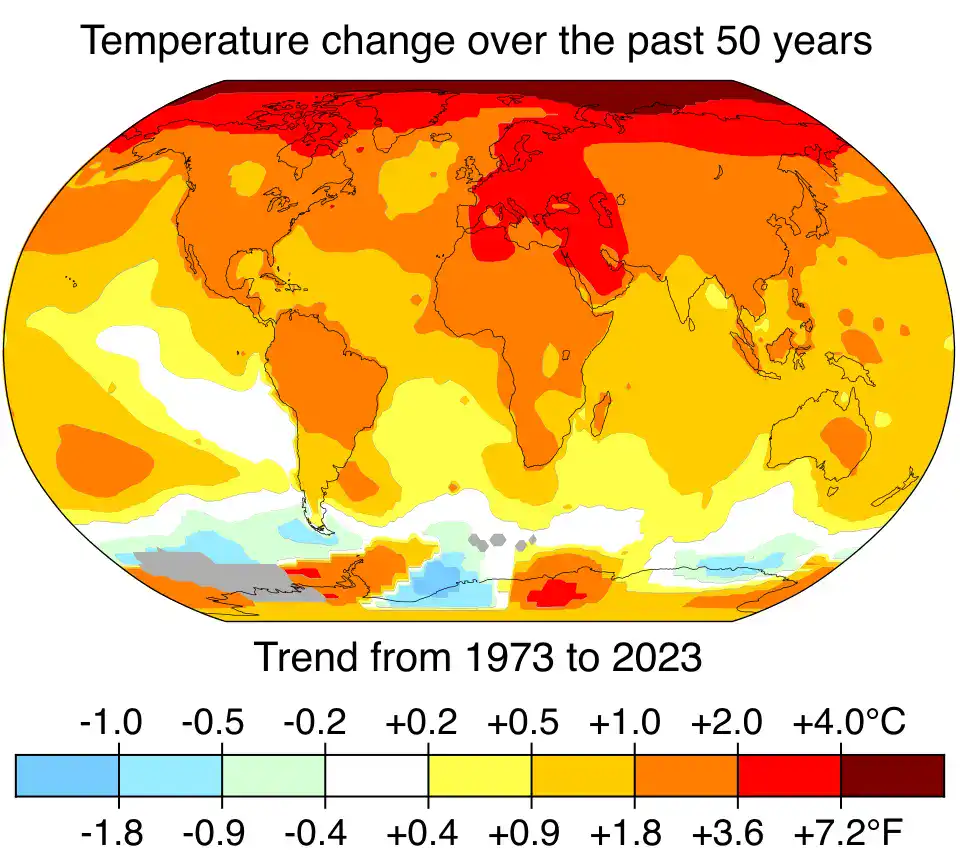
In this map the redder the colour the hotter the Earth has become in the last 50 years.
The scientific paper about had a very long and tricky title: “Climate action literacy interventions increase commitments to more effective mitigation behaviors.” Wow — that’s a mouthful! But… still no mention of dogs. Let’s keep digging.
Here’s what the scientists were really testing: Do people know which actions help the most to slow climate change?
Think of it like a video game to save the planet. Some moves, like recycling, score a few points. But big moves, like eating less meat or taking fewer flights, are power-ups that score loads at once!
The scientists asked people which moves they’d choose. Then they gave some of them clear info about which ones matter most. When they asked again, those people picked more of the big-point moves.
That’s great news! It shows that when we share the right information, people can focus their efforts on the things that matter most for the planet.
Where on Earth did the dogs come into it?!
The headline made it sound like the whole study was about dogs. But actually, dogs were only mentioned once on a long list of possible actions people could take. The scientists asked people which of these actions they might be willing to do. “Not owning a dog” was on the list because looking after a dog does have some effect on the environment. For example, making dog food produces gases that add to climate change.
But dogs were just one example out of many, not the main focus of the study at all. The study was more about how, if we educate people, they can make the best choices, which gives us the best chances of stopping climate change before it’s too late.
Why Does It Matter If the Headline Isn’t Totally Right?
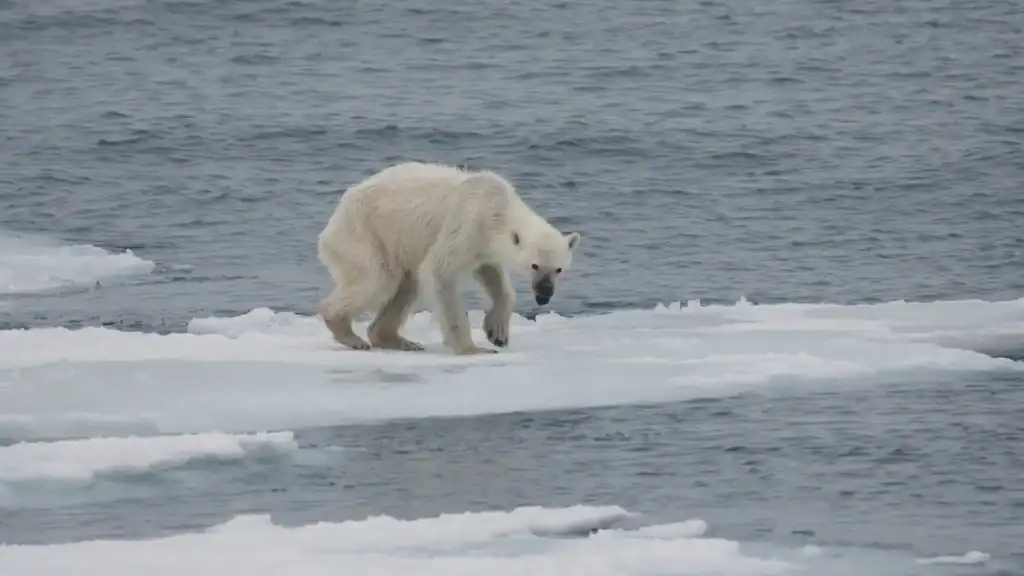
An underweight polar bear stands on a melting ice shelf.
Climate change can feel like a huge, scary problem. Sometimes it seems so big that we feel tiny in comparison. What difference could one person possibly make?
But here’s the good news: lots of studies show that small changes made by each person really do add up. In fact, we can’t solve climate change without them!
The tricky part is that not all actions are equal. If people don’t know which choices make the biggest difference, they might spend all their energy on things that don’t help very much. But if they do know, then they can focus on the actions that matter most.
This study showed that simply giving people clear information helped them choose the most powerful changes. That’s big and really hopeful!

The problem is, when the headline made the whole story about dogs, it hid this important and positive message.
The real story isn’t about dogs it’s about how we can make the biggest difference for our planet.
Spot the Tricks
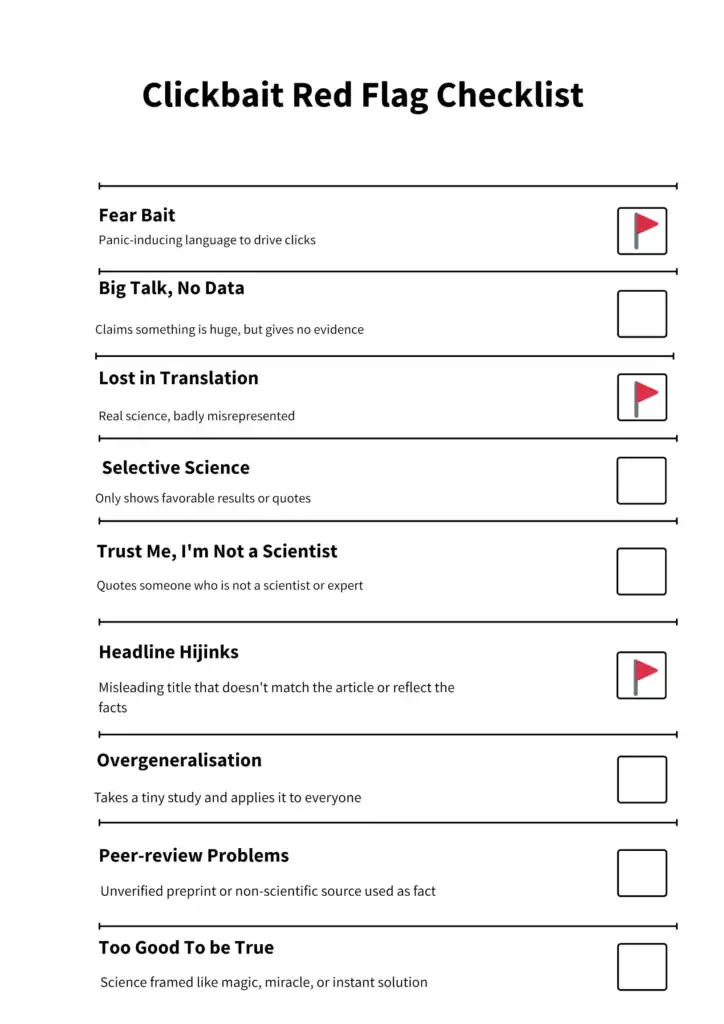
🔴 Red Flag 1: Headline Hijinks
Dogs were a tiny part of the study’s long list of 21 actions, but the headline made them the star.
🔴 Red Flag 2: Lost in Translation
The study was about how people don’t understand the best climate actions to take, not about pets. Turning this into “dogs = extreme weather” misses the real message
🔴 Red Flag 3: Fear Bait…Missing the Good News
The study actually found that when people get clear information, they change their behaviour for the better. That good message got buried.
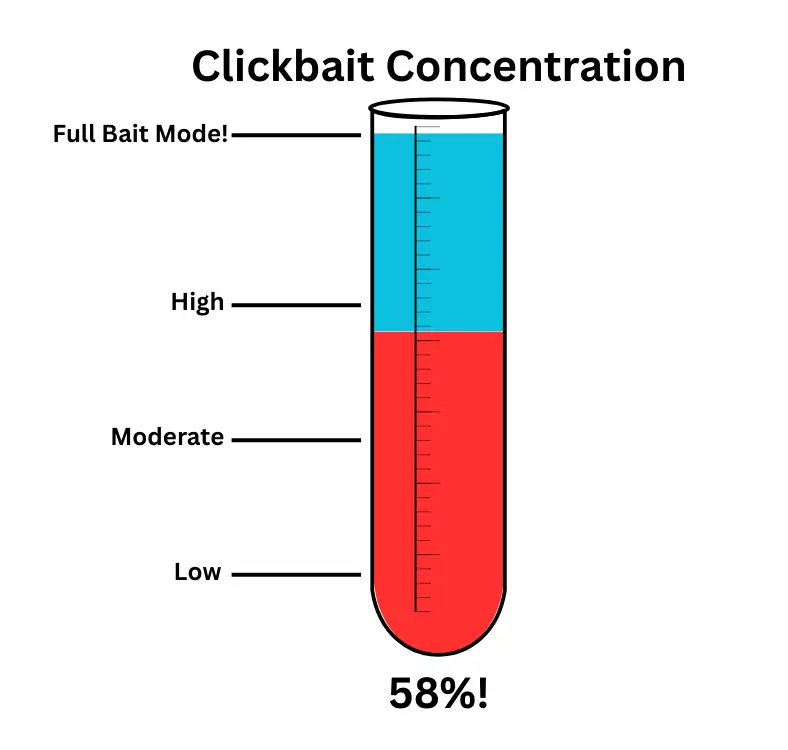
The verdict: The headline wasn’t clear and made it seem like the story was about something else. This is what we call clickbait- we think it deserves a clickbait score of…58%. Not the worst we have seen but also not good!
Want to become a science detective at home?
Grab our free Is It Real or Rubbish? Family Guide to learn how to spot sneaky headlines and check the facts together.
You can also sign up for the Trailblazing Science newsletter so you never miss a new mystery to solve!